

What Acne Scarring Actually Is
Understanding the different types of acne scarring, and why the right treatment depends entirely on which type you actually have.
Acne scarring is a permanent structural change in the skin, not a mark that fades on its own the way redness or discoloration eventually does. It develops when the skin produces too little collagen while healing an inflamed breakout, leaving behind a depression rather than a smooth, level surface.
Most acne scars fall into three categories: ice pick scars, which are narrow and deep; boxcar scars, which are wider with sharp, defined edges; and rolling scars, which have soft, wavy edges caused by fibrous bands tethering the skin down from beneath. Many patients have more than one type in the same area, sometimes without realizing it.
An acne scar treatment in Menlo Park starts with identifying which type, or combination, you’re actually dealing with, since a plan built for one type often underperforms on another.


Details
learn about
Benefits of Proper Scar Identification
Treatment matched to your specific scar type
Avoids months on an approach that won't work
Combination plans address mixed scar presentations
Improves texture, depth, and overall skin appearance
Can be paired with active acne management
Types of Acne Scarring
Ice pick scars (narrow, deep pits)
Boxcar scars (wide, sharp-edged depressions)
Rolling scars (broad, wavy indentations)
Mixed scarring (more than one type together)
Post-inflammatory hyperpigmentation (flat discoloration, not true scarring)
Areas Affected
Cheeks
Jawline
Forehead
Temples
Chest and back



Why Scar Type Changes Everything
Our acne scar treatment in Menlo Park depends on which type of scarring your provider identifies, because each type forms differently and responds to different approaches. Ice pick scars are the narrowest and deepest, often requiring more intensive, targeted treatment since their depth makes surface-level approaches insufficient on their own.
Boxcar scars have sharp, defined edges and respond well to resurfacing that softens those edges and encourages new collagen across a broader area. Rolling scars involve fibrous tethers pulling the skin down from beneath, so treatments that only address the surface won’t fully correct them without releasing that underlying tension first.
Because most patients present with a mix of these types, your provider typically recommends a combination approach rather than a single treatment, sequencing options based on which scars are contributing most to your overall texture.


Matching Treatment to Your Specific Scar Type
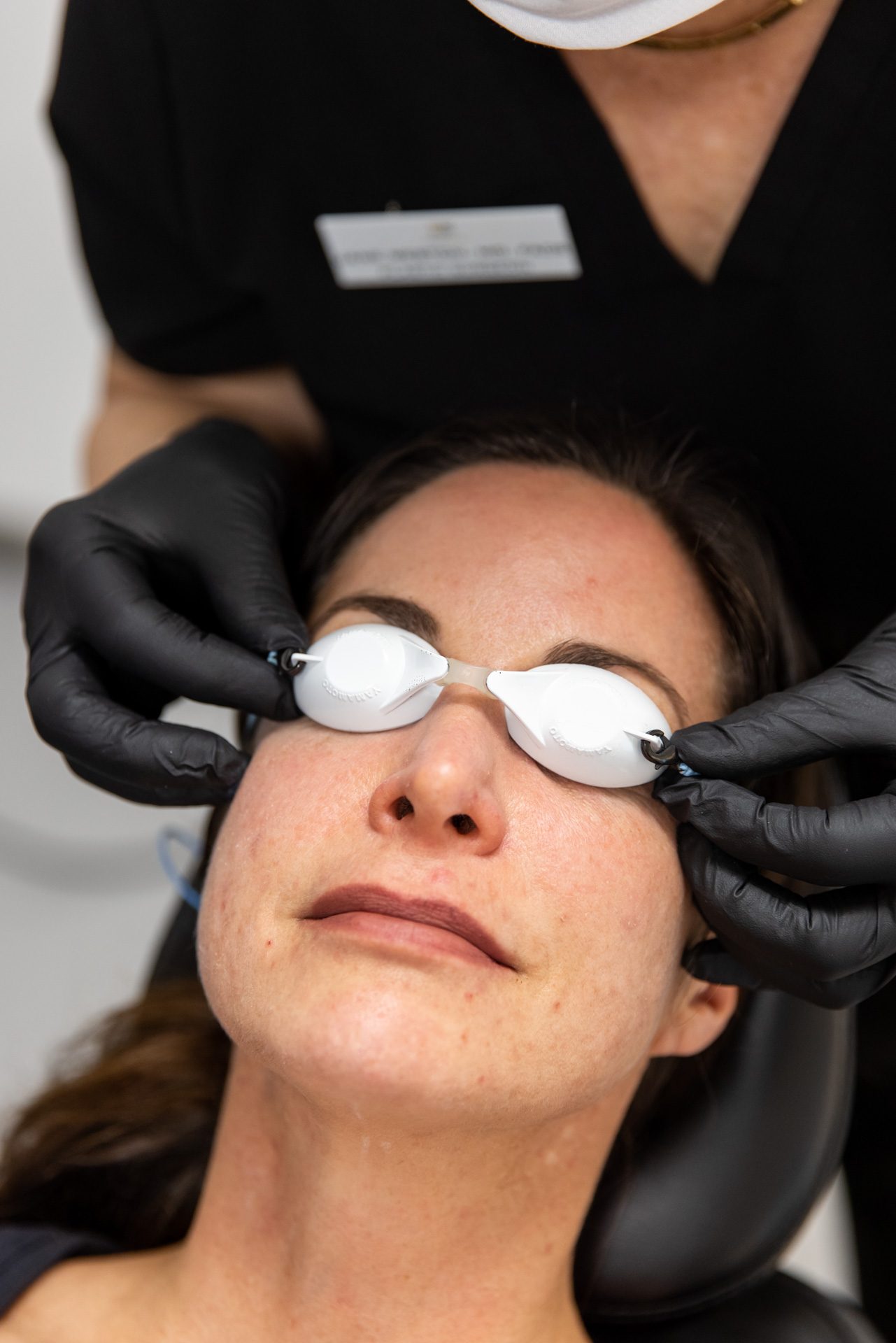
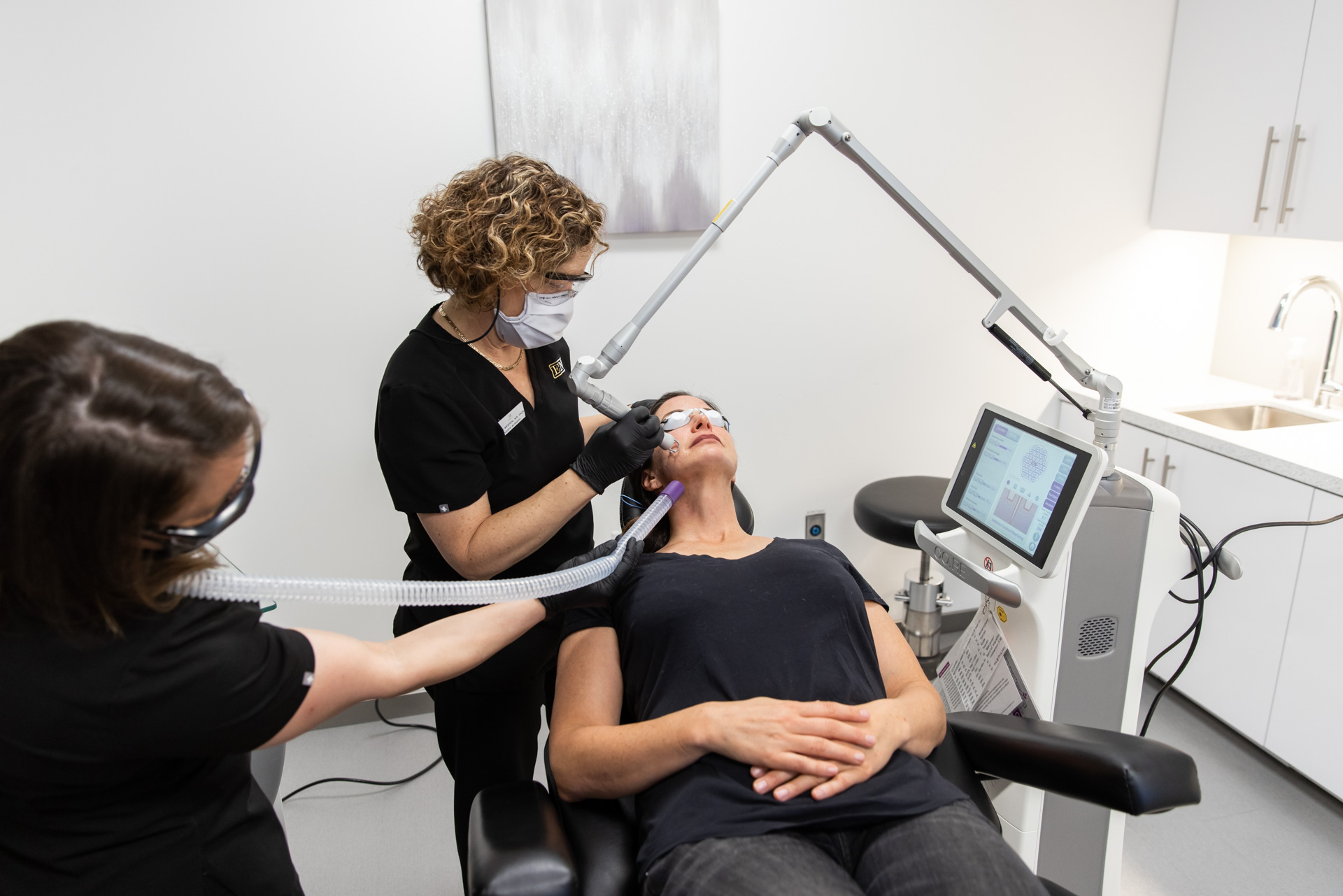
Our acne scar treatment in Menlo Park often combines multiple approaches, since most patients have mixed scar types responding to different techniques.
What to Expect
The Provider Behind the Plan
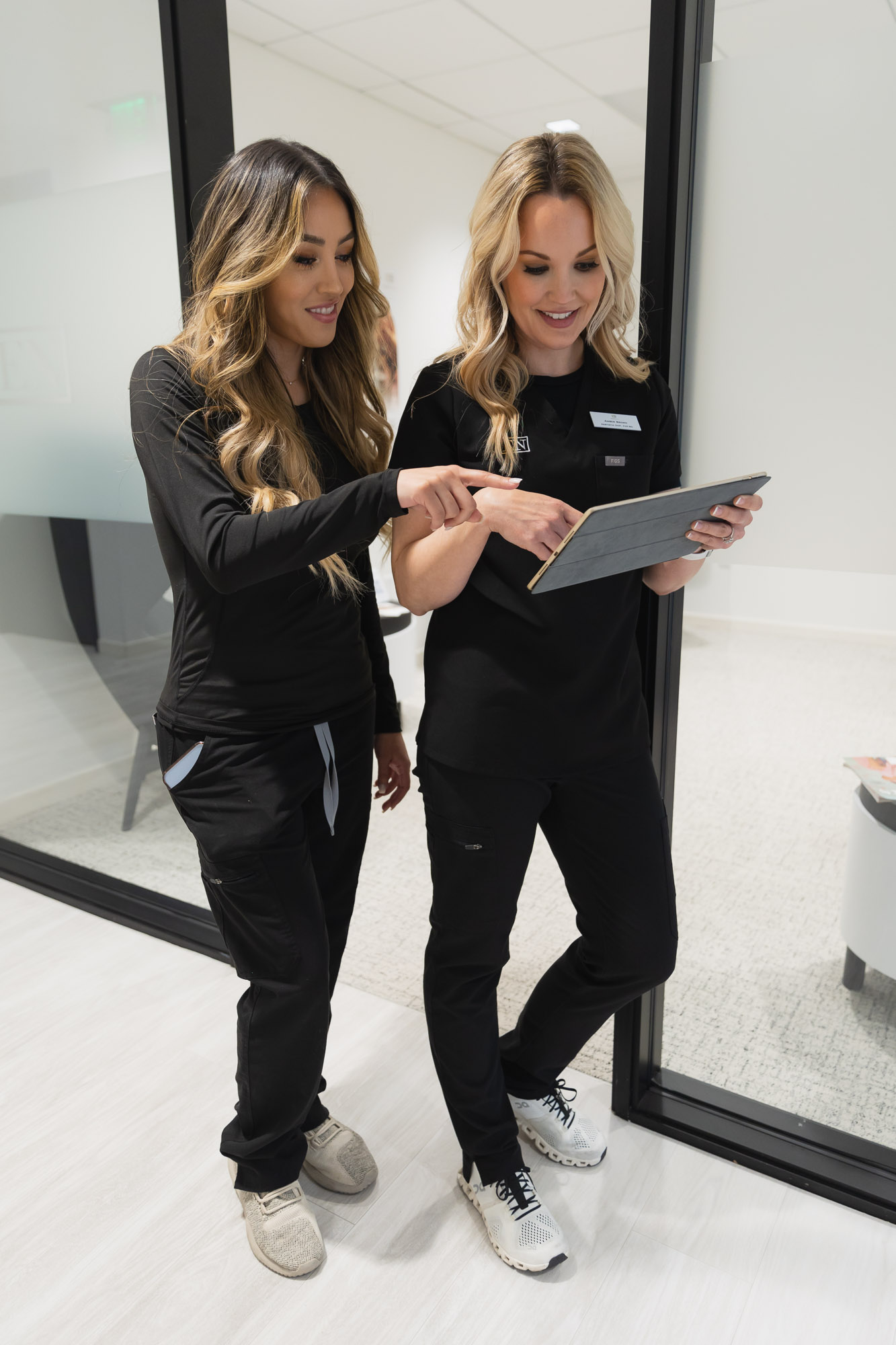
Our team evaluates which scar types are present before recommending a specific depth or combination of treatments, working alongside our medical providers when a case calls for microneedling with PDGF or a more medical-grade approach.

Let’s Talk About What You Actually Want
Every treatment plan starts with a conversation, not a script. Tell us a little about your goals, and we’ll take it from there.
"*" indicates required fields
Frequently Asked Questions
Ice pick scars are narrow and deep, boxcar scars are wider with sharp, defined edges, and rolling scars have soft, wavy edges caused by fibrous tethering beneath the skin. Each forms differently and responds to different treatments, which is why identifying your specific type matters before starting any plan.
Mixed scarring is common, since different breakouts heal differently depending on their depth and severity. Most patients present with a combination of ice pick, boxcar, and rolling scars in the same area. An acne scar treatment in Menlo Park typically addresses this with a combination approach rather than 1 single technique.
Improvement is realistic, but complete removal isn’t guaranteed for most scar types, particularly deeper ice pick scars. Treatment aims to soften depth, improve texture, and blend scarring with surrounding skin. Your provider will set realistic expectations for your specific scar types during your consultation.
Results build gradually over a series of sessions, spaced weeks apart, as new collagen fills in depressed areas. Most patients need several months of consistent treatment before seeing their fullest results, since collagen remodeling doesn’t happen quickly regardless of the technique used.
Often, yes. New breakouts can create fresh scars while you’re working on treating existing ones, so calming active acne first produces better long-term results. Your provider can discuss whether to address both simultaneously or sequence active acne treatment ahead of scar-focused work.
Yes, the same scar types and treatment principles apply to the chest and back, though skin thickness and healing time can differ from the face. Your provider adjusts technique and depth accordingly, since body skin often tolerates slightly different settings than facial skin.
We identify your specific scar type before recommending a plan, rather than applying 1 resurfacing technique to every patient. As an independently owned, clinician-led practice, our acne scar treatment in Menlo Park combines esthetic and medical treatment tracks as your specific scarring requires.




Be Our Guest
Contact us to set up a virtual consultation or an in-office visit. You can also use our interactive eConsultation tool to tell us your concerns and get a personalized treatment plan in the comfort of your own home.