
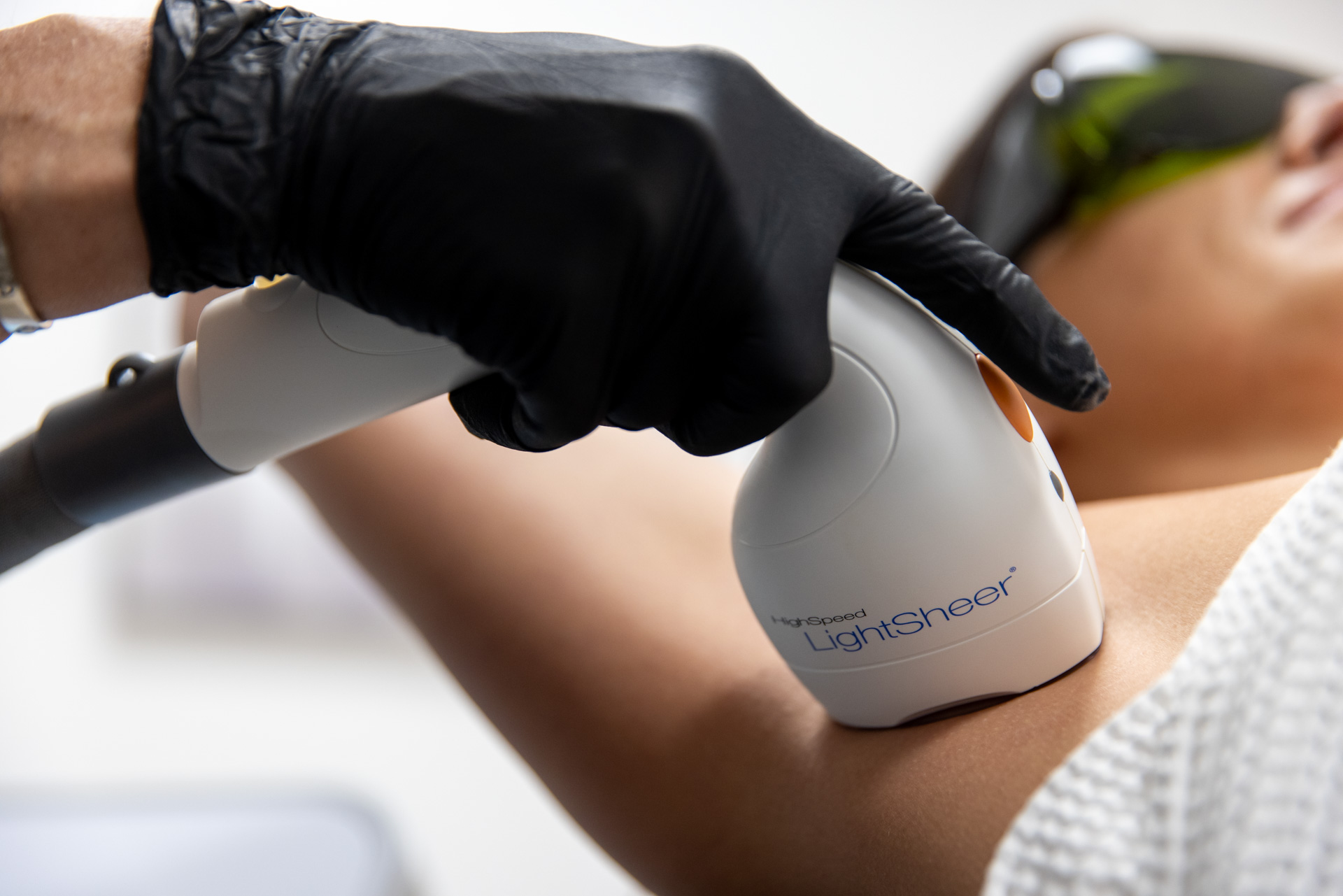
Skin Type Determines Everything Else
Laser hair removal, assessed against the full Fitzpatrick skin-type scale, not a generic setting applied to everyone who walks in.
Laser hair removal in Palo Alto only works as well as the assessment behind it. Every patient falls somewhere on the Fitzpatrick scale, a 6-point classification of how skin responds to light based on pigment. This classification determines which wavelength, energy setting, and cooling approach your provider should use. Treating a fair, easily-burned skin type the same way as a deep, richly pigmented one isn’t just less effective; it can be unsafe.
Most patients considering this treatment need two things: real hair reduction and a provider who evaluates their specific skin rather than running a single default protocol. At Entre Nous Aesthetics, that evaluation happens before your first session, not as an afterthought.
Details
learn about
Benefits
Assessed against your specific Fitzpatrick skin type
Reduces hair growth across nearly any treatable area
Minimizes ingrown hairs and shaving-related irritation
Faster and more precise than repeated waxing
Long-term reduction with a series of sessions
Little to no downtime after treatment
Conditions It Treats
Unwanted or excessive hair growth
Ingrown hairs from shaving or waxing
Razor bumps and folliculitis
Hormonally driven hair growth patterns
Coarse or dark terminal hair
Recurring irritation from repeated hair removal
Areas It Treats
Face (upper lip, chin, cheeks)
Underarms
Bikini line and Brazilian
Legs (full or partial)
Back and chest
Arms

Why Skin Type Comes Before Settings
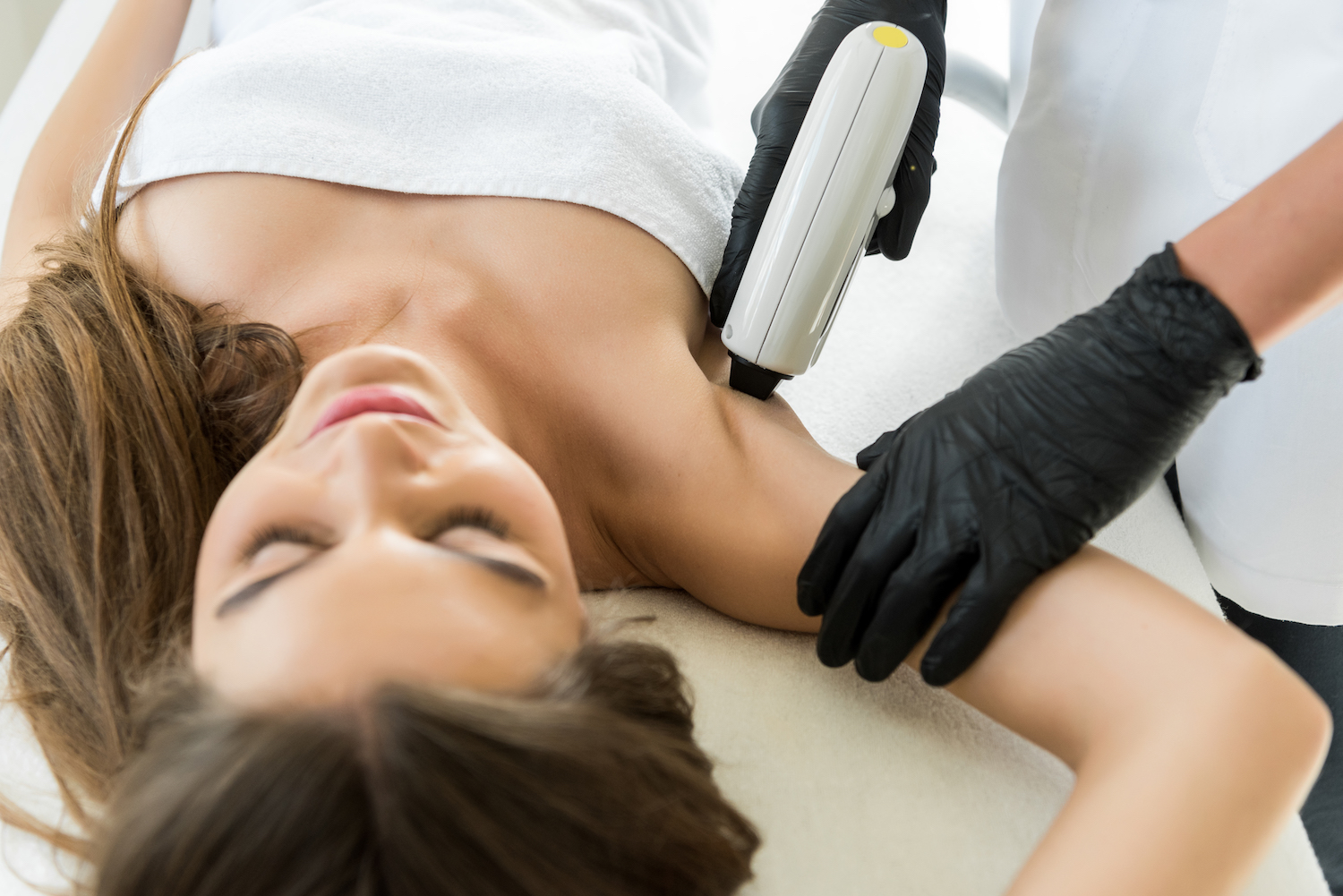
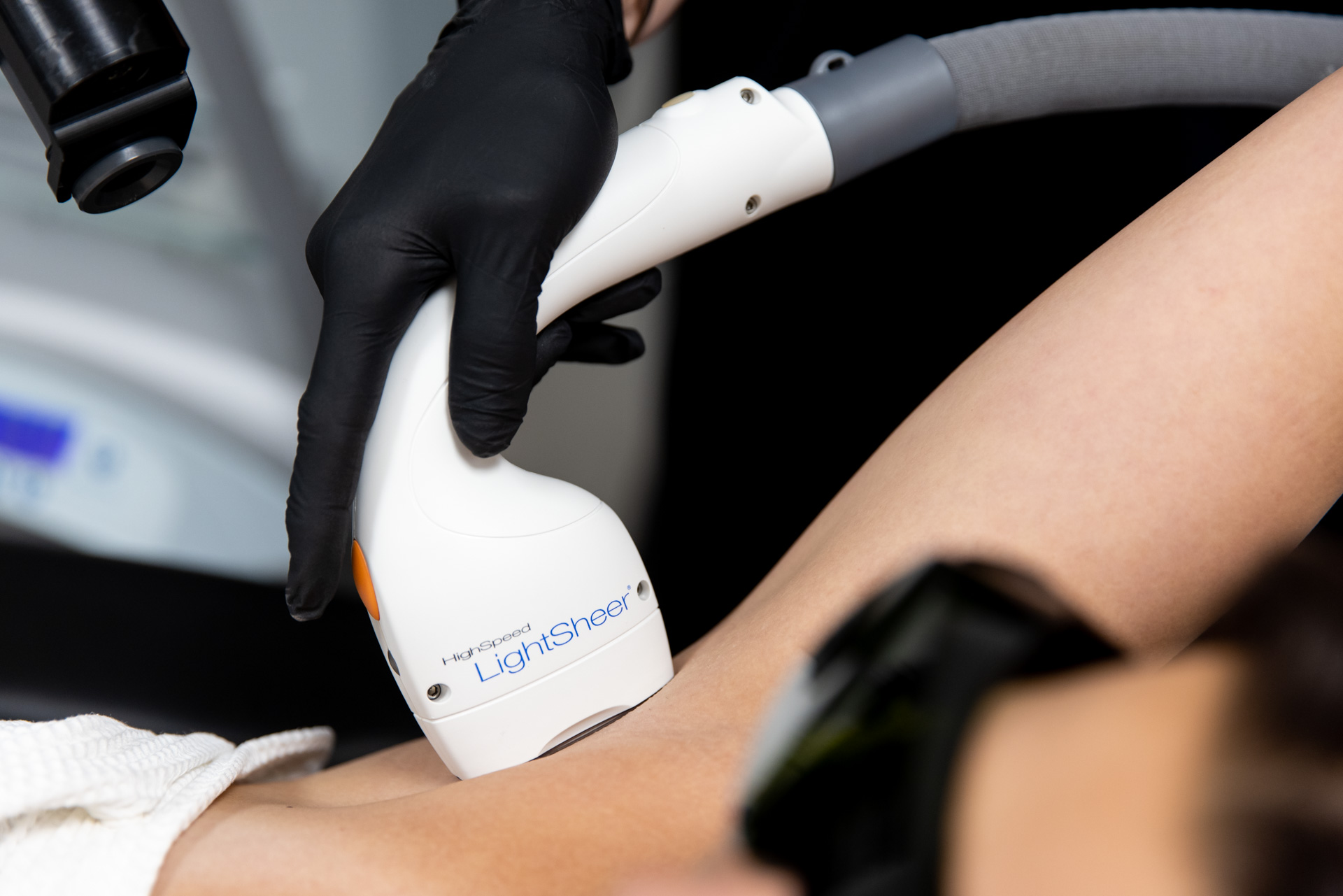
Laser hair removal in Palo Alto works by targeting pigment in each hair follicle with a concentrated beam of light, damaging its ability to produce new hair. The challenge is that skin itself also contains pigment, so the laser has to distinguish between the two. Fairer skin types tolerate a wider range of settings safely, while deeper skin types require a longer wavelength and more conservative energy to treat effectively without risking burns or pigment changes.
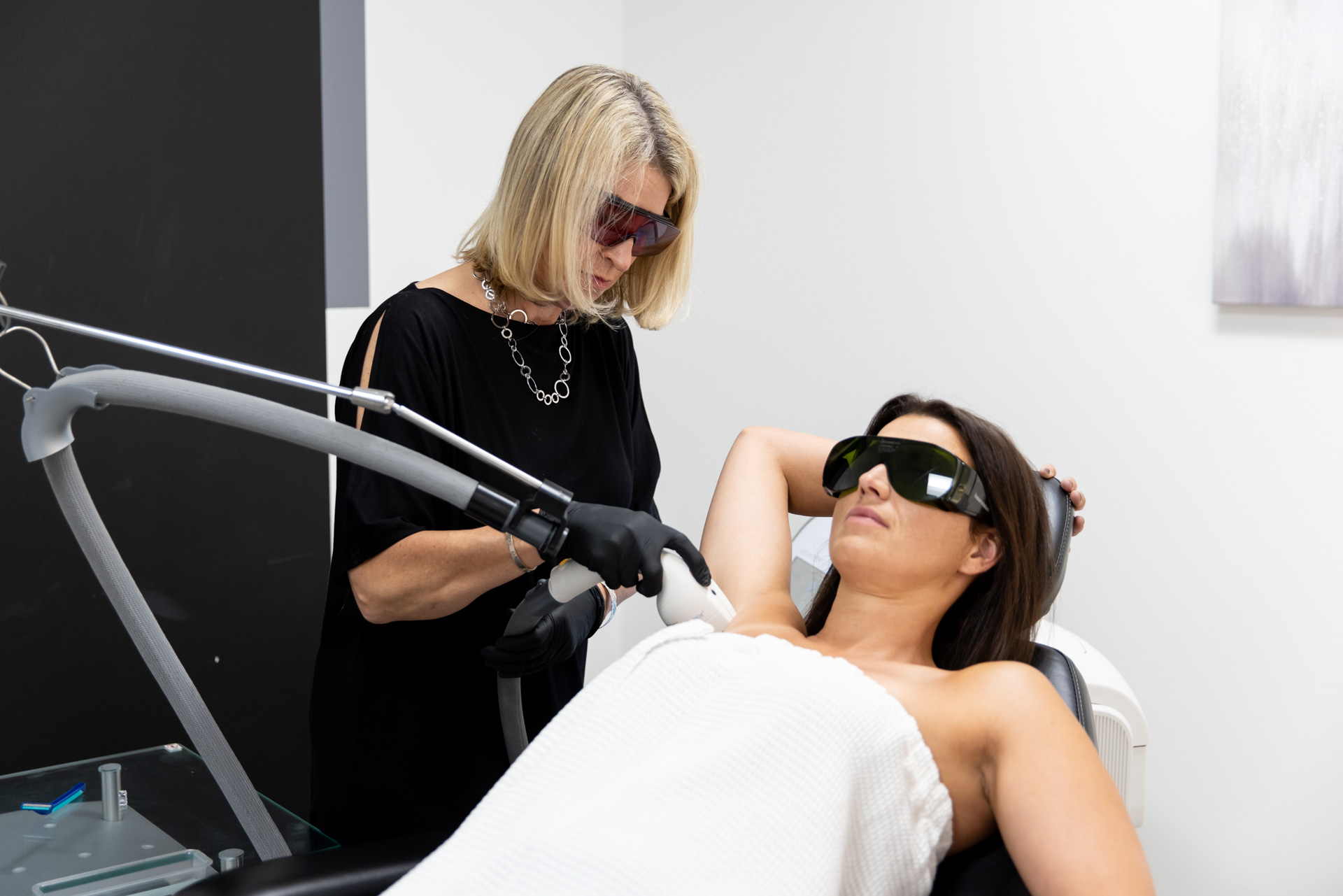
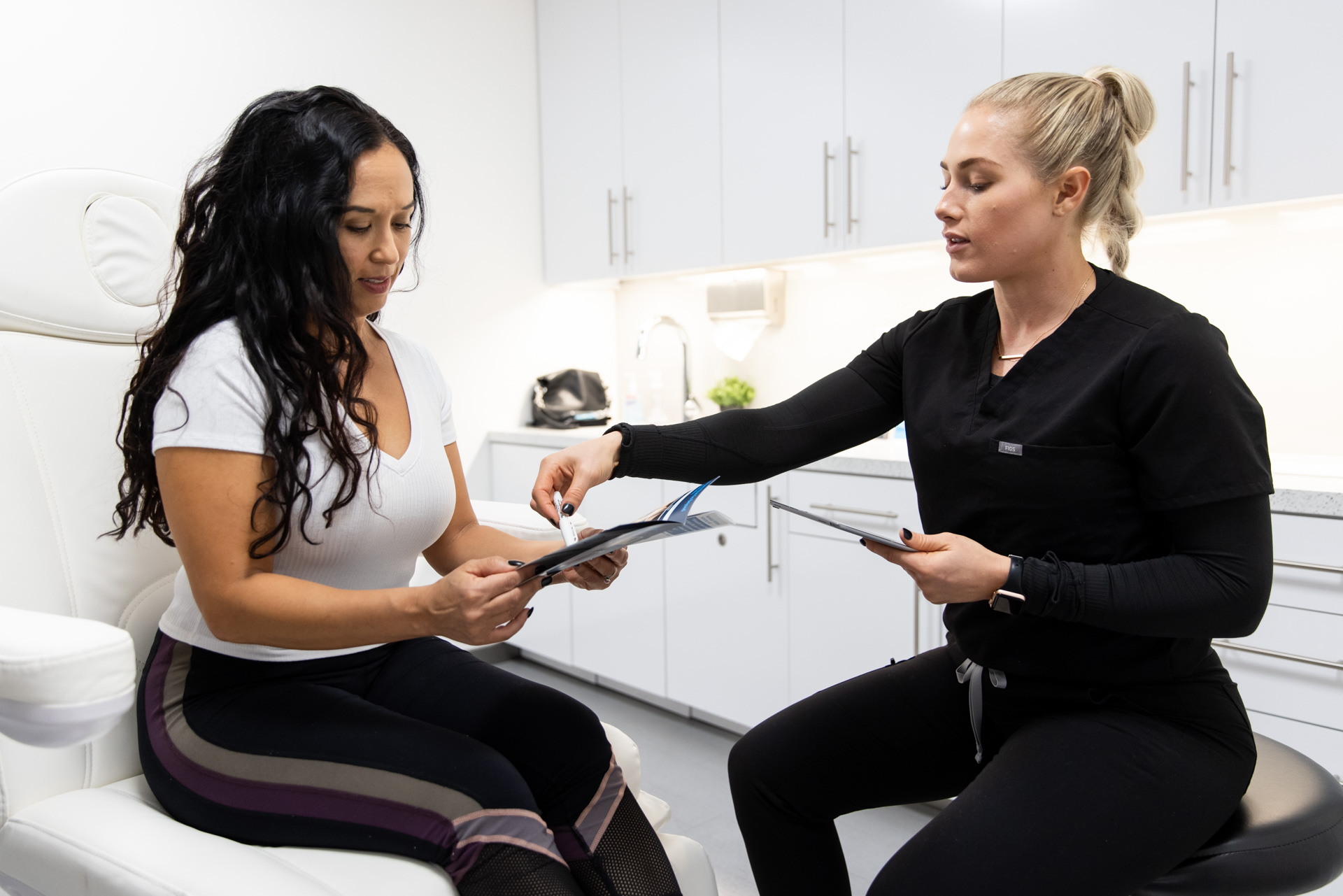
Your provider identifies your Fitzpatrick type before your first session, then selects settings suited to that classification and your specific hair color and density. Your provider also reassesses as your skin responds across your series, adjusting rather than repeating the same settings by default at every visit.
What to Expect
The Provider Behind the Plan
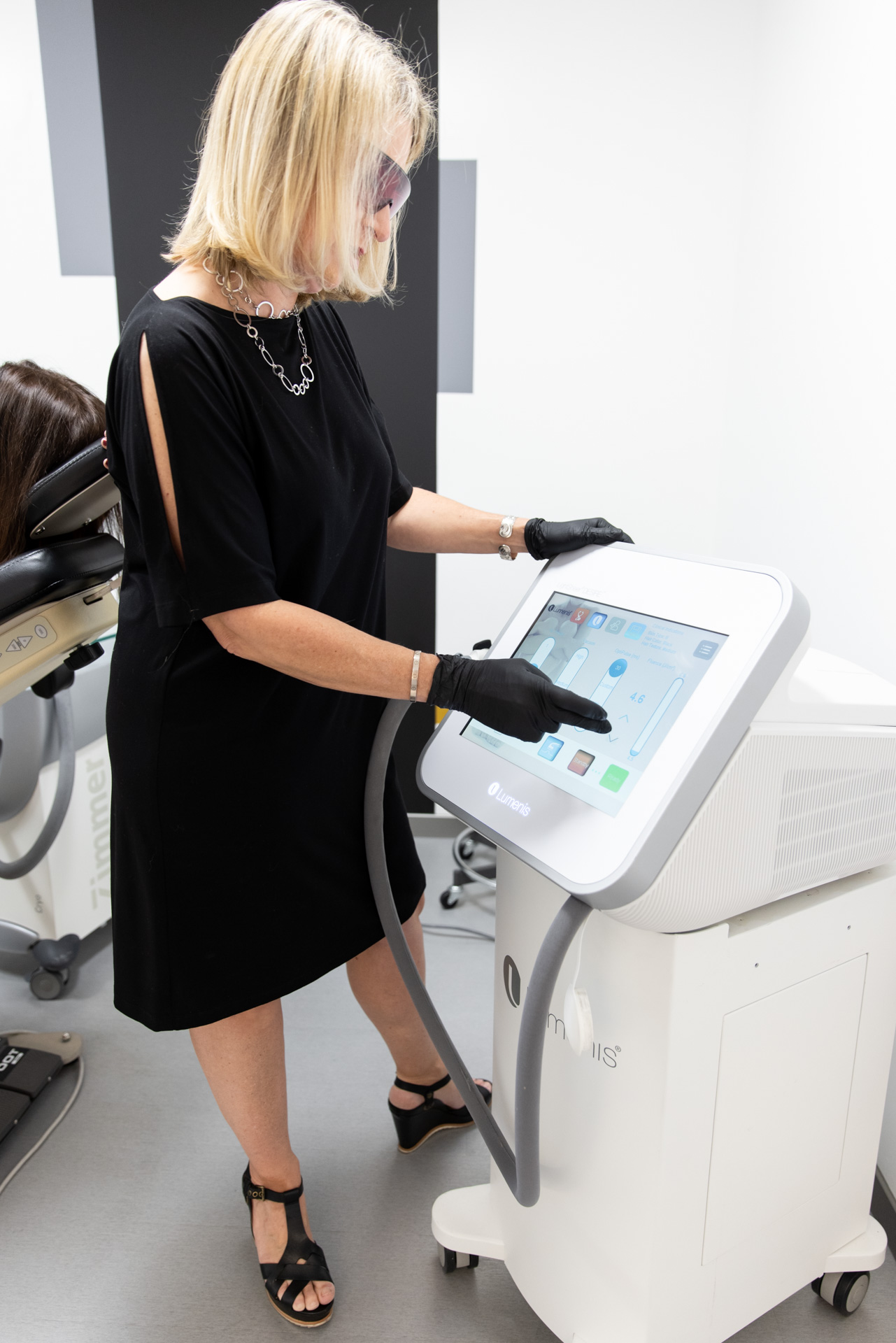
Caity Lizotte, MSN, FNP-C, is an AANP board-certified nurse practitioner who performs laser treatments across the full range of skin types at Entre Nous Aesthetics. Her background in emergency room nursing shaped a careful, safety-first approach to assessment. She evaluates your Fitzpatrick type and hair characteristics before recommending settings, rather than applying the same protocol to every patient.

Let’s Talk About What You Actually Want
Every treatment plan starts with a conversation, not a script. Tell us a little about your goals, and we’ll take it from there.
"*" indicates required fields
Frequently Asked Questions
Yes, when the assessment and settings match your specific skin type. The Fitzpatrick scale, which classifies skin from very fair to deeply pigmented, determines the safe range of wavelengths and energy for your treatment. Your provider evaluates your specific type before your first session, rather than applying one setting to everyone.
The Fitzpatrick scale classifies skin into 6 types based on how it responds to light, from very fair to deeply pigmented. It matters because deeper skin types absorb light differently than fairer ones, requiring adjusted wavelengths and energy to treat safely. Your classification shapes your entire treatment plan.
Most patients need 4 to 8 sessions, spaced 4 to 8 weeks apart, to see significant, lasting reduction. This range depends on your hair growth cycle, treatment area, and skin type. Your provider gives you a more specific estimate once your Fitzpatrick type and hair characteristics are assessed.
Yes, shaving is encouraged between sessions, since it doesn’t disturb the hair follicle beneath the skin. Waxing, plucking, and threading should be avoided, as they remove the follicle the laser needs to target. Your provider will walk you through at-home care specific to your skin type.
Your provider evaluates your specific Fitzpatrick skin type before recommending settings, rather than running a single default protocol. As an independently owned, clinician-led practice, laser hair removal in Palo Alto at ENA starts with an honest assessment of what your skin actually needs.


Be Our Guest
Contact us to set up a virtual consultation or an in-office visit. You can also use our interactive eConsultation tool to tell us your concerns and get a personalized treatment plan in the comfort of your own home.