

What Rosacea Actually Is
Understanding what separates rosacea from ordinary flushing or sensitivity, and why an accurate diagnosis changes the entire treatment plan.
Rosacea is a chronic inflammatory skin condition, not the same as occasional flushing, sunburn, or general skin sensitivity. It typically causes persistent redness across the central face, along with visible blood vessels, and in some patients, small red bumps that can resemble acne. Nearly half of rosacea patients initially mistake their symptoms for acne or simple sensitivity before getting an accurate diagnosis.
A rosacea treatment in Menlo Park starts with telling these apart. Ordinary redness from sun, exercise, or a one-off irritation usually resolves on its own, while rosacea is a recurring condition driven by genetic and vascular factors that worsens without a proper treatment plan behind it.


Details
learn about
Benefits of an Accurate Diagnosis
Distinguishes rosacea from acne or general sensitivity
Reduces visible redness and blood vessel appearance
Identifies your specific triggers for better long-term control
Treatment matched to your rosacea subtype
Addresses flare-ups before they become more persistent
Rosacea Subtypes
Erythematotelangiectatic (persistent redness, visible blood vessels)
Papulopustular (redness with acne-like bumps)
Phymatous (skin thickening, most common on the nose)
Ocular (affecting the eyes)
Overlapping subtypes (more than 1 type at once)
Areas Affected
Cheeks and nose
Forehead and chin
Eyes (in ocular rosacea)






Why Rosacea Isn’t Just Redness
Rosacea involves a genuine dilation of small blood vessels in the face, often tied to a genetic reduction in the skin’s ability to control facial inflammation. This differs from ordinary flushing, which resolves once the trigger, like heat or exercise, passes. In rosacea, the underlying blood vessels stay reactive over time, which is why redness becomes persistent rather than occasional.
This distinction matters because treatments effective for general redness or sun damage aren’t always right for rosacea, and an overly aggressive approach can worsen the underlying inflammation. Your provider identifies which subtype, or combination, you’re dealing with, then builds a plan around calming the specific vascular pattern involved, rather than treating redness as a purely cosmetic concern.


Common Rosacea Triggers
Rosacea flares are highly individual, but most patients share several common trigger categories worth identifying early.
Calming the Vascular Pattern Behind Your Redness
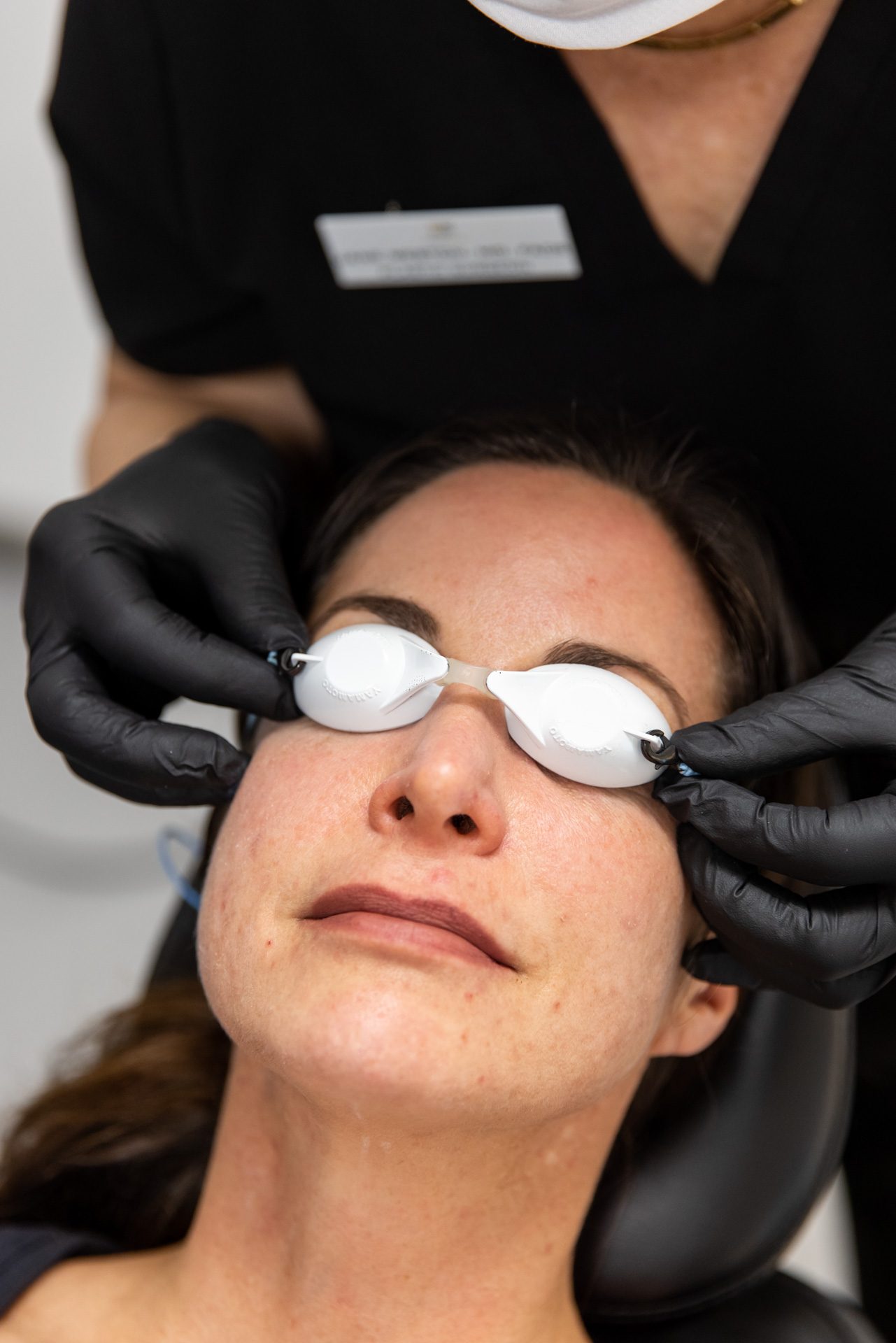
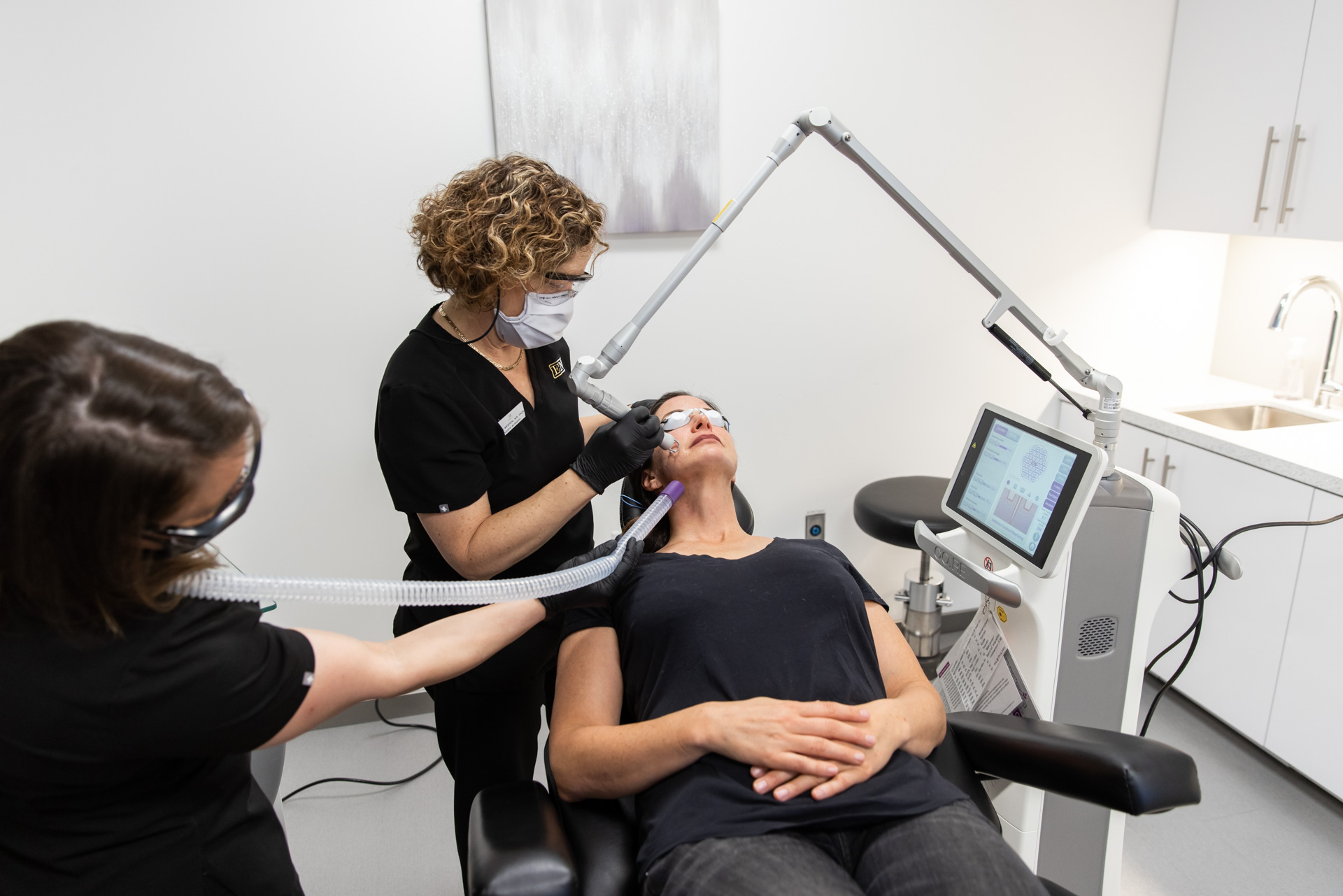
Our rosacea treatment in Menlo Park often combines in-office treatment for visible redness with trigger management for longer-term control.
What to Expect
The Provider Behind the Plan
Noor Mashal, MS, PA-C, is a board-certified physician assistant who performs many of our IPL/ BBL and laser treatments for rosacea at Entre Nous Aesthetics, drawing on a clinical background spanning emergency medicine and plastic surgery. She takes care to distinguish rosacea from general redness or acne before recommending treatment, since an accurate diagnosis changes which approach helps.

Let’s Talk About What You Actually Want
Every treatment plan starts with a conversation, not a script. Tell us a little about your goals, and we’ll take it from there.
"*" indicates required fields
Frequently Asked Questions
General redness from sun, exercise, or a one-off irritation typically resolves once the trigger passes. Rosacea is a chronic condition involving blood vessels that stay reactive over time, producing persistent redness that doesn’t fully fade on its own. Our rosacea treatment in Menlo Park starts with telling these 2 apart accurately.
No, though they’re frequently confused, since both can cause redness and bumps. Rosacea doesn’t cause blackheads the way acne does, and affects adults over 30 rather than teenagers. Nearly half of rosacea patients initially assume they have acne before receiving an accurate diagnosis.
Common triggers include:
- Sun exposure
- Heat or cold
- Alcohol
- Spicy food
- Hot beverages
- Emotional stress
However, every patient’s pattern differs. Identifying your own triggers, rather than following a generic avoidance list, produces better long-term control alongside in-office treatment.
Not necessarily. Rosacea is chronic and has no cure, but it’s manageable. Treatment focuses on reducing visible redness and blood vessels while helping you identify and manage your specific triggers. Most patients need ongoing maintenance rather than a single treatment that resolves rosacea permanently.
It depends on your subtype. Papulopustular rosacea, which includes acne-like bumps, may benefit from combined approaches addressing both the vessels and the bumps themselves. Your provider identifies which subtype you have before recommending a plan, since a single approach doesn’t address every presentation equally.
Most patients need a series of sessions, spaced several weeks apart, to see meaningful reduction in visible redness and blood vessels. Because rosacea is chronic, periodic maintenance sessions are common afterward, alongside ongoing trigger management to help results hold up.
We take the time to distinguish rosacea from general redness or acne before recommending treatment, since getting that distinction right changes the plan. As an independently owned, clinician-led practice, our rosacea treatment in Menlo Park combines in-office treatment with honest guidance on managing your triggers.




Be Our Guest
Contact us to set up a virtual consultation or an in-office visit. You can also use our interactive eConsultation tool to tell us your concerns and get a personalized treatment plan in the comfort of your own home.